oct 2025 – nov 2025
* In accordance with Triton Genomics’ confidentiality policy, I will only disclose limited images with minimal detail of projects. Numerical data is redacted.
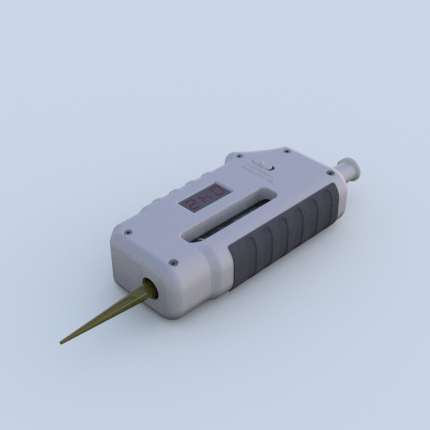
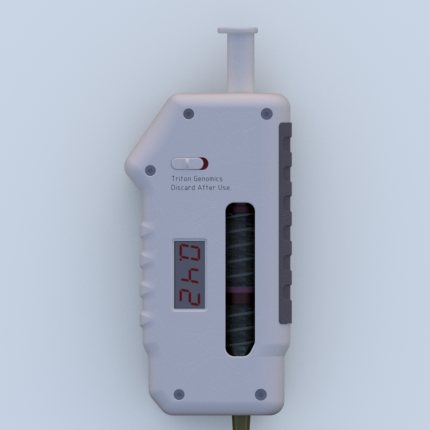
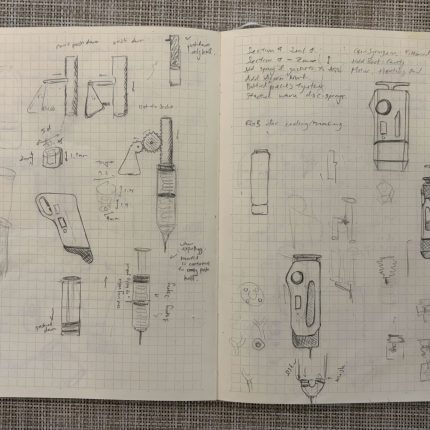
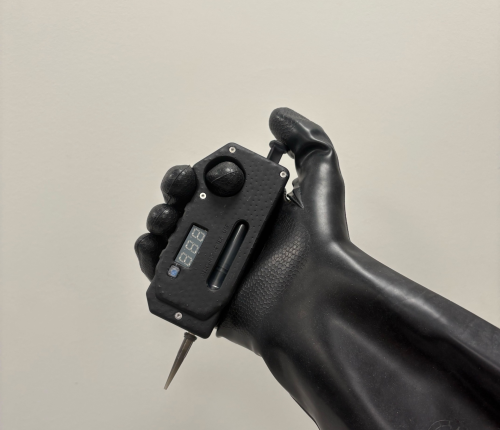
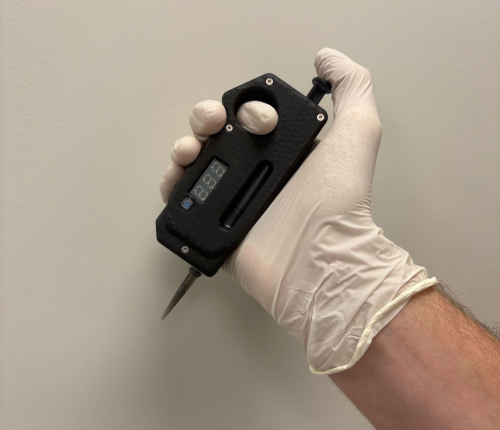
designed a sample acquisition and lysing system for special forces field operations.
> This sample acquisition and lysing system is a product for the united states department of defense, validated by the special forces.
> Key Challenge: Replace $3K-8K lab equipment with <$20 single-use device ready for scaled production.
> it pulls in a specifically determined volume of a chemical-biological sample, then performs a chemical and mechanical process on it before dispensing it directly into a consumable cartridge for use in Triton Genomics’ robotic sample preparation system.
system overview:
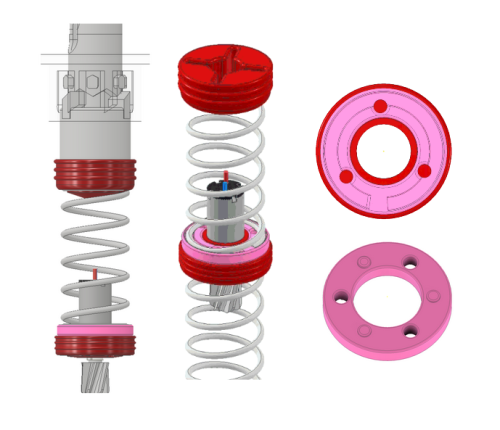
1. Mechanical lysis
(details confidential)
2. Sample holdback
(details confidential)
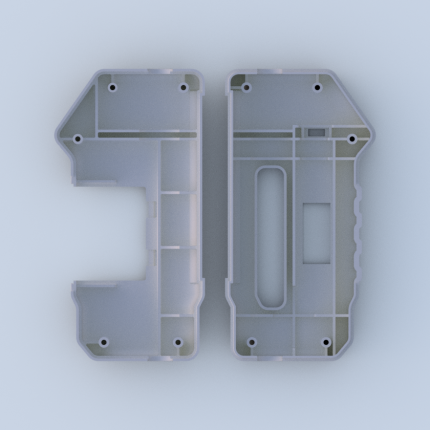
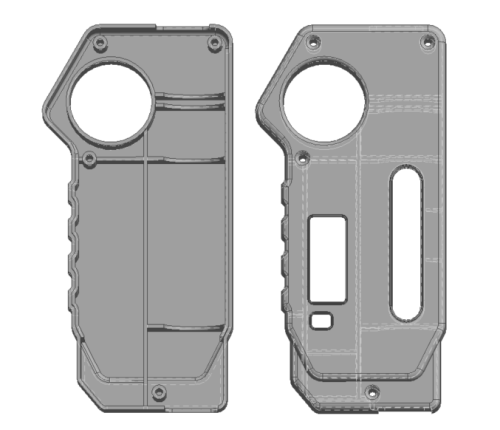
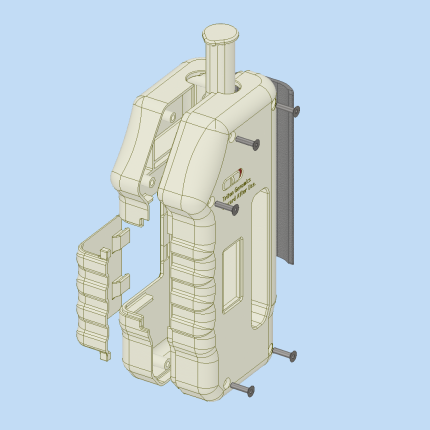
3. Injection-molded enclosure
Week 1-2: Core Mechanisms
> Mechanical lysis system design
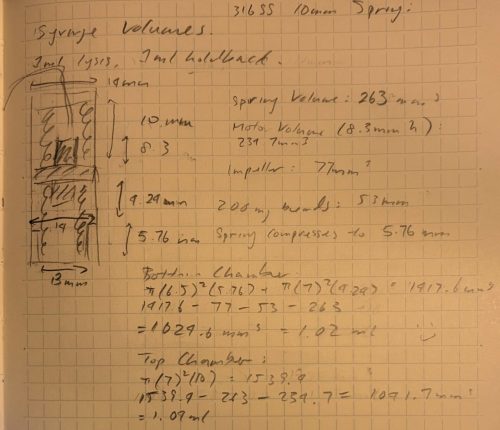
> Spring selection and vacuum calculations
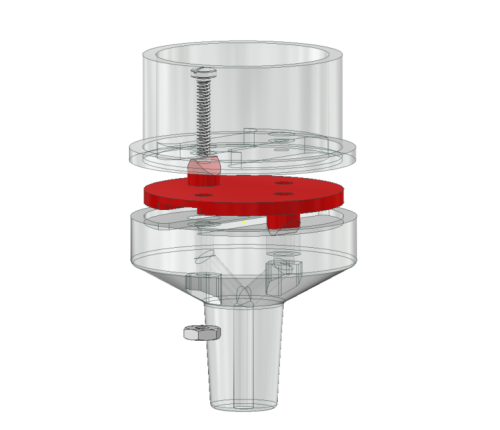
> Valve prototyping
(check valve duckbill design)
> validation design for check valve and volume
Week 3: Holdback System, Enclosure v1
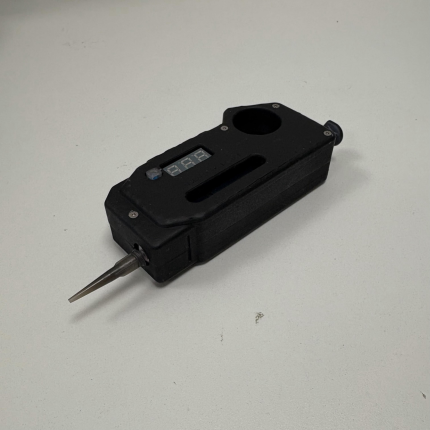
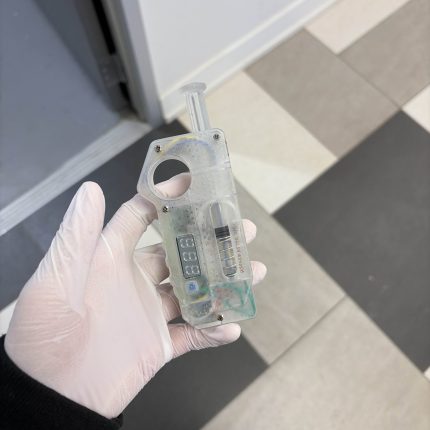
> prototype enclosure designed and shipped a functional demo to special forces operators.
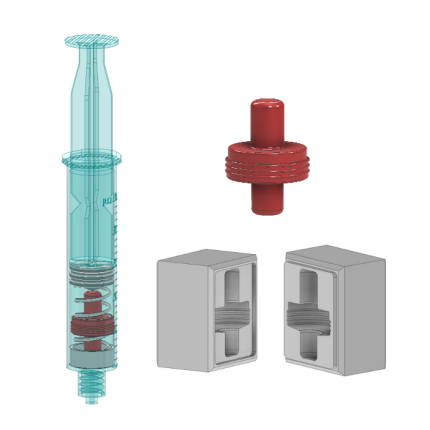
> designed dual chamber syringe system
> designed the inverse cam mechanism inside the pipette shaft.
operator feedback:
> Sharp corners on the palm is uncomfortable
> Index finger hole unintuitive
> Shell felt a little compliant
> Button accidentally pressed during operation
> Surface too slippery, which meant operator needs to hold it harder while actuating
Week 5
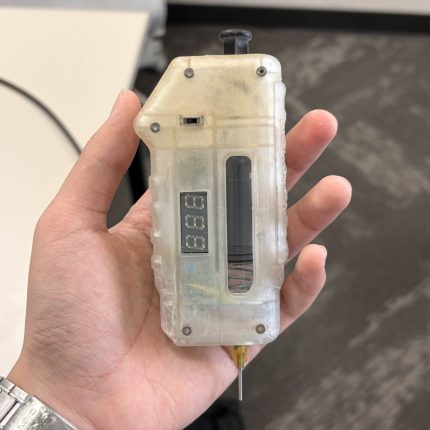
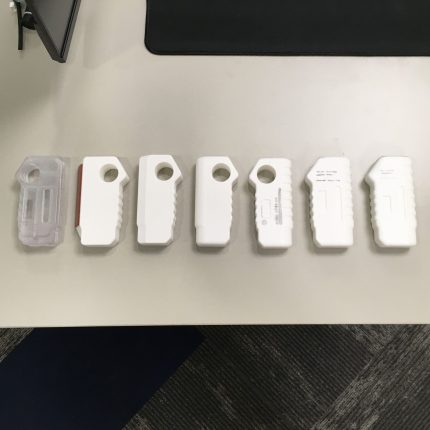
> prototyped a series of enclosure shapes to evaluate ergonomics
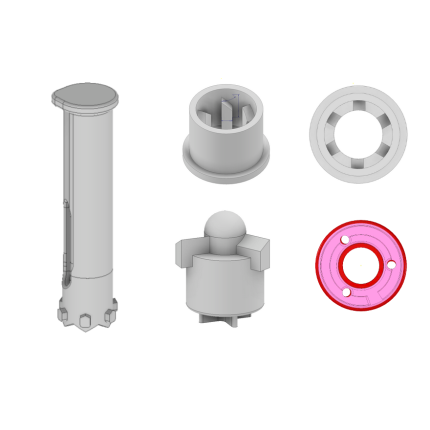
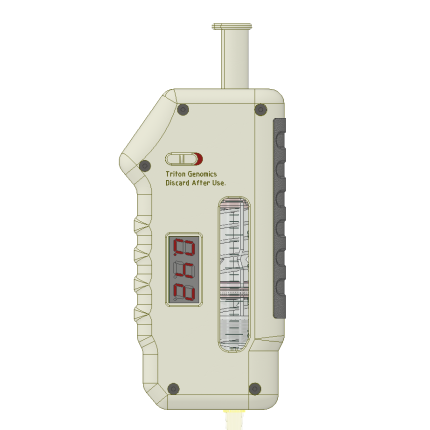
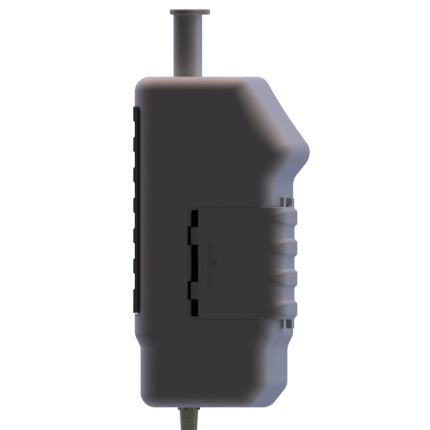
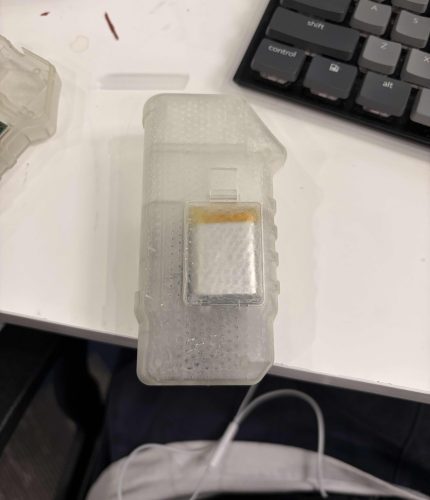
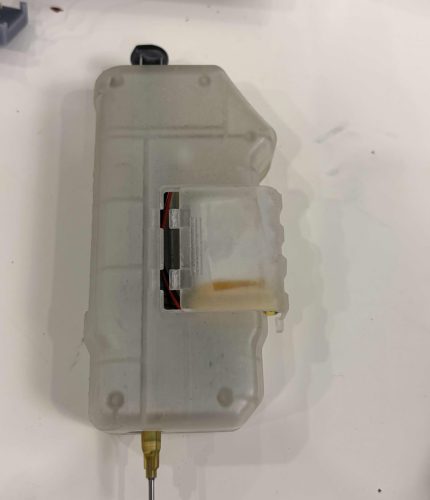
> pipette has an added ejectable battery compartment for safe battery disposal
> new toggle switch for more control over “on/off” state
> V2 also includes a casted silicone grip on the side of the pipette.
> These are the battery ejecting door prototypes.
> Polycarbonate was selected because machine was already loaded. Switching materials wasn’t justified.
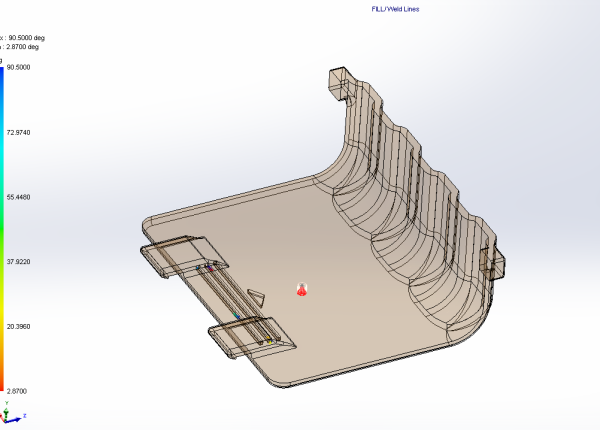
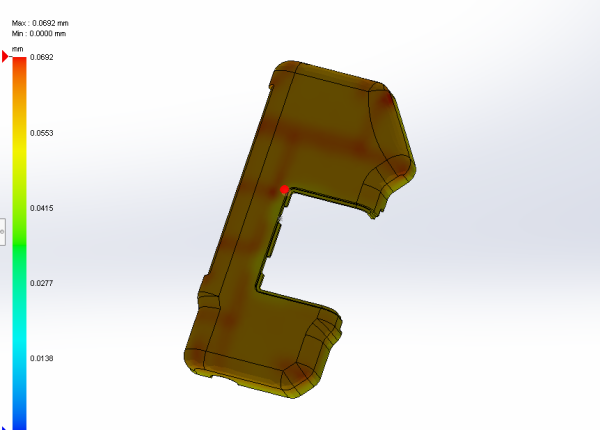
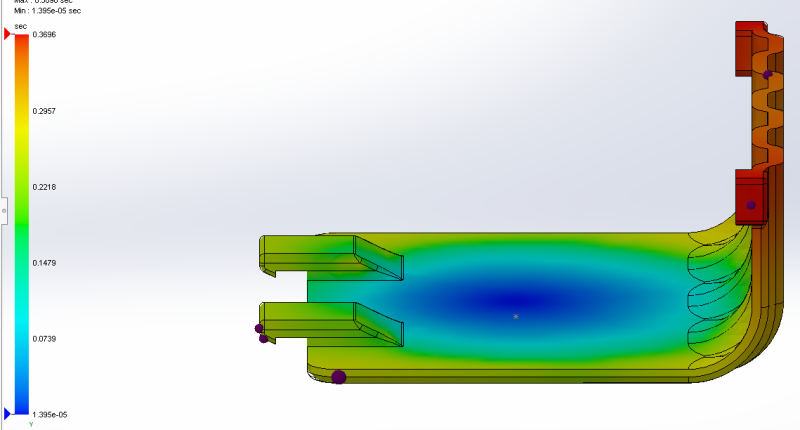
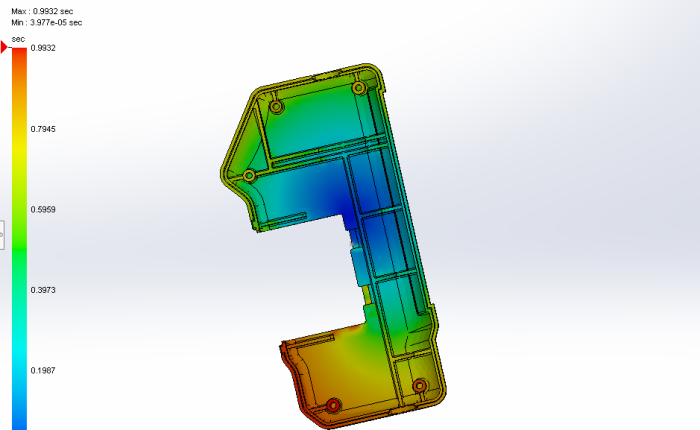
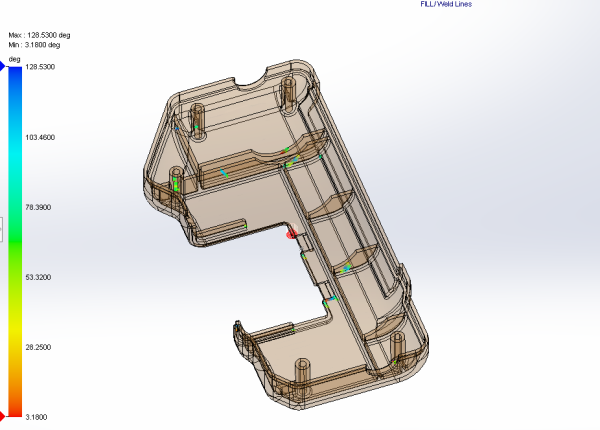
> ran Solidworks Plastics simulations to validate enclosure design.
> Simulation showed minimal weld lines. Sink marks and fill times also within acceptable ranges.
results:
> The estimated material cost: ~$12-18. Molds estimated ~$15,000 – 25,000 (given by onsite machinist) for both shell halves, at over 1,000 units this brings enclosure cost to under $2 per unit. Reached <$20 Target.
> Alternative lab grade lysis equipment cost: $3,000 – 8,000 per unit, the handheld pipette reduces per deployment cost for the Department of Defense by 99%.
> shot size ≤20 cm³ per half, 18.6 cm³
> Materials used: polycarb, 316SS and platinum cure 60A meets ISO 10993 biocompatibility.